
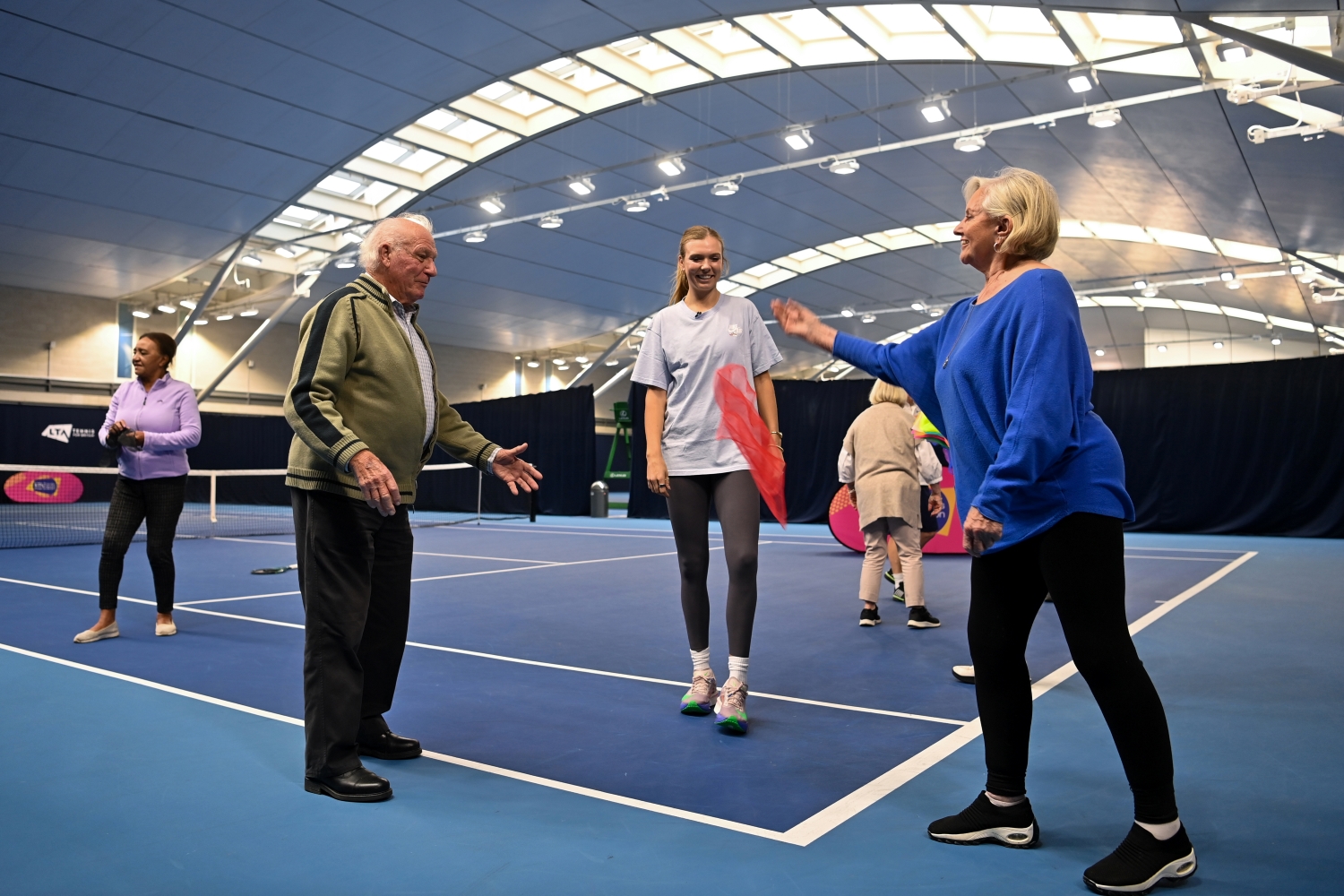
In 2023, the LTA Tennis Foundation awarded a three year grant to Age UK to deliver Walking Tennis sessions across eight regions in Great Britain. Designed to make tennis more accessible for older adults, the programme has gone on to demonstrate powerful physical, social, and mental health benefits for those involved.
Three years on, almost 300 older adults have taken part, with 44% completely new to tennis. The programme has shown how adapting the game can remove barriers, helping people stay active, build confidence, and reconnect with a sport they love.
What is Walking Tennis?
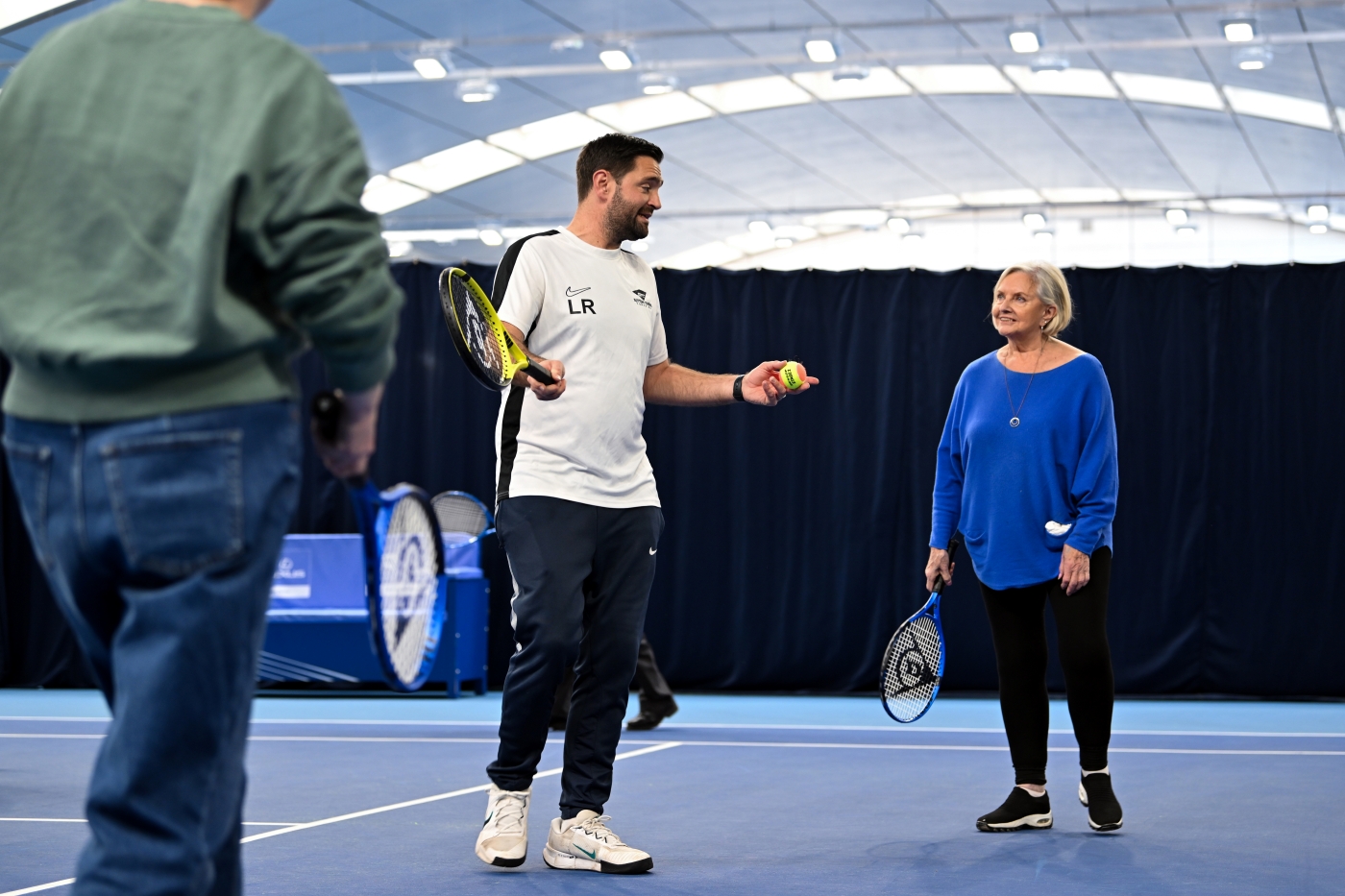
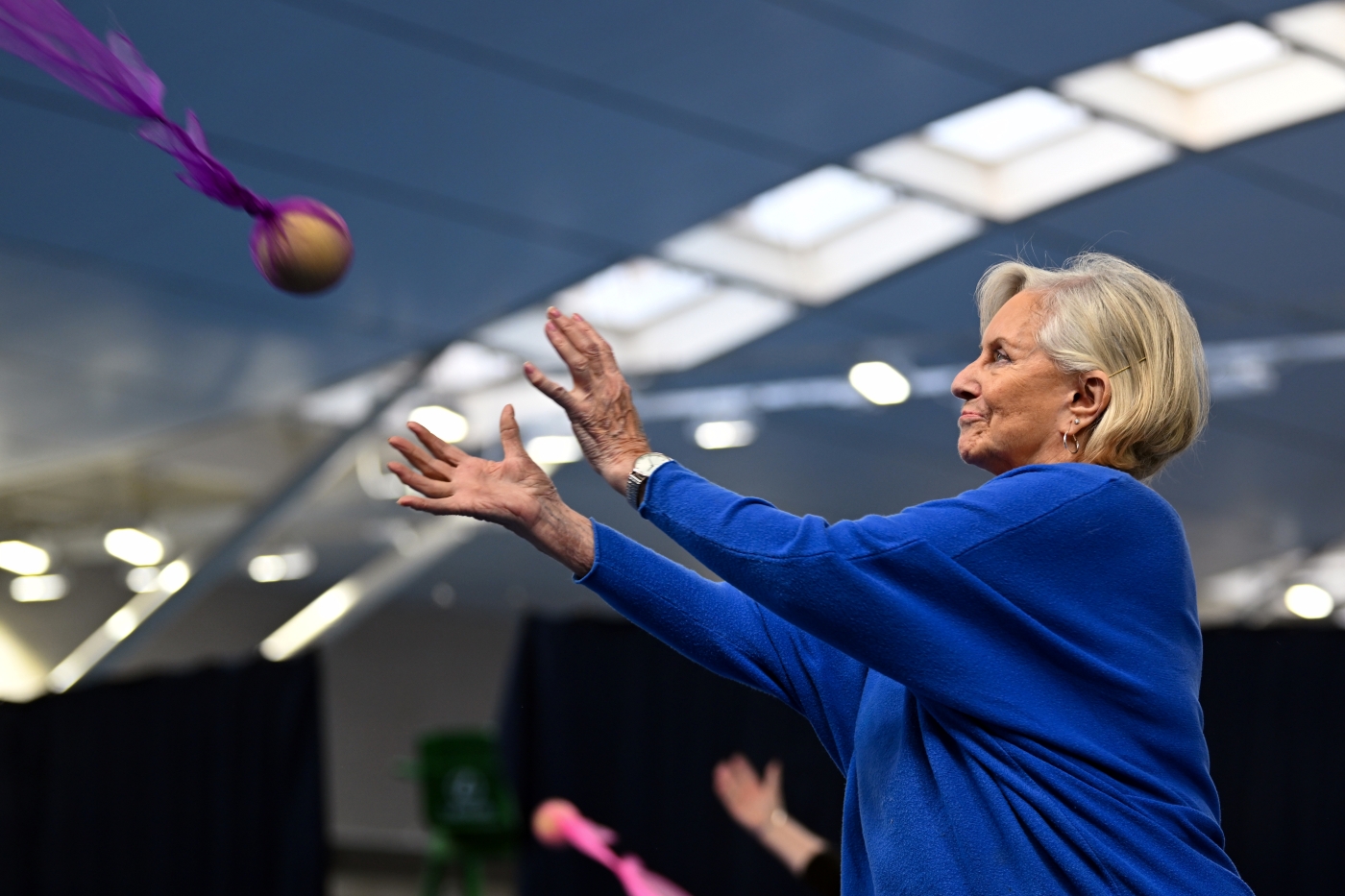
Walking Tennis is a slower‑paced, inclusive adaptation of tennis where the ball can bounce twice, designed for older adults and people living with limited mobility or long‑term health conditions. Playing without running allows participants to move at their own pace while still enjoying the skills, strategy, and social connection that tennis offers.
Delivered by Age UK, sessions took place in a variety of indoor and community spaces, proving that Walking Tennis can work almost anywhere.
As one coach explained: "I think Walking Tennis is for all, no matter what kind of health conditions, or age. You can just adapt it, to whatever suits you really. I think it can work anywhere.”
Sustained participation and impact
The programme not only introduced walking tennis to older people but it also motivated many to stay active.By the end of delivery:
- Over half the participants remained regularly active
- Average weekly physical activity more than doubled
- 100% of participants* increased their physical activity levels
*This statistic refers to all participants who took part in evaluation activity, rather than total overall participants.
Beyond the physical benefits, Walking Tennis played a vital role in tackling isolation and boosting wellbeing. Participants formed strong social bonds, with many developing friendships that extended beyond the sessions into group outings and wider social participation.
Volunteers were central to this success, building meaningful relationships and offering friendly conversation and support during both play and social time. One participant shared how returning to tennis had reignited something they thought they’d lost: “Once you’ve played tennis, it’s something you always want to carry on doing. I thought that was the end of my tennis, but because it’s walking, you realise you can actually do it.”
I absolutely love it, I don’t feel old when I’m playing tennis
Improved wellbeing and wider engagement
Participants also reported improvements in mood, reduced anxiety, and greater motivation to stay active. Many gained the confidence to leave the house more often, try new activities and re‑engage with sport.
For many, the experience was life‑enhancing:
- “It’s certainly added to my life”
- “It’s one of the best things I’ve done”
- “I absolutely love it, I don’t feel old when I’m playing tennis”
A key strength of Walking Tennis is its flexibility. Participants are encouraged to listen to their bodies and take part in a way that works for them.
As one participant described: “I have a lot of health conditions, and it’s certainly been suitable for me. Each person knows their limitations. There’s nothing with Walking Tennis that says you have to do it for the hour. If you’ve had enough after 50 minutes, nobody’s going to tell you to continue. You go at your own pace and do what you can.”
By adapting the game and placing people at the centre, Walking Tennis has shown what’s possible when sport is designed to be truly inclusive. The partnership between Age UK and the LTA Tennis Foundation demonstrates how targeted funding and collaboration can create a lasting impact.
An ongoing partnership
The LTA and LTA Tennis Foundation is proud to continue their partnership by supporting Age UK’s Act Now, Age Better campaign which highlights how regular movement is one of the most powerful tools you have to feel your best now and protect your future health - like paying into a physical pension plan.
This year’s campaign is all about inspiring people in mid-life and beyond to try something new and find an activity that works for them, their goals and their lifestyle – and of course we recommend tennis or padel with these being lifelong sports that are easily adaptable to match a players’ age and skill set. To find out more about the campaign and get inspired, visit the website