
About Milton School
Milton School is a special school in Swinton, Mexborough.
At the heart of their school community are remarkable young individuals, each with an Education Health and Care Plan. The school focuses on supporting children with Communication and Interaction needs, empowering them to reach their full potential by providing the highest level of support possible.
The need
Less than 50% of children and young people in the UK meet the Chief Medical Officer guidelines of recommended 60 minutes of physical activity per day, meaning more needs to be done to help get children active while at school. This importance is heightened at Special Educational Needs and Disability (SEND) schools given that Sport England's Active Lives Adult Survey shows disabled people are almost twice as likely to be physically inactive, than those without a disability.
Introducing more regular physical activity into schools is crucial, both in terms of encouraging physical health and fitness, but also participating in sport in school is associated with higher levels of wellbeing.
What the LTA Tennis Foundation funded
The FAGE LTA Youth Schools programme is designed to help more children enjoy the benefits of playing and staying in tennis, whatever their age, gender, ability, disability or background.
Created specifically for schools to support the curriculum and wider school outcomes, the programme brings together inclusive PE lesson plans, personal development resources, teacher training and much more. It’s all been designed by teachers, for teachers, and it’s all free.
By completing the free online training, schools receive a £250 reward voucher, entirely funded by the LTA Tennis Foundation, which can be spent on either school tennis equipment or 10 hours of team teaching with an LTA Accredited Coach.
Since 2020, schools have received over £2.4million in vouchers from the LTA Tennis Foundation.
The impact
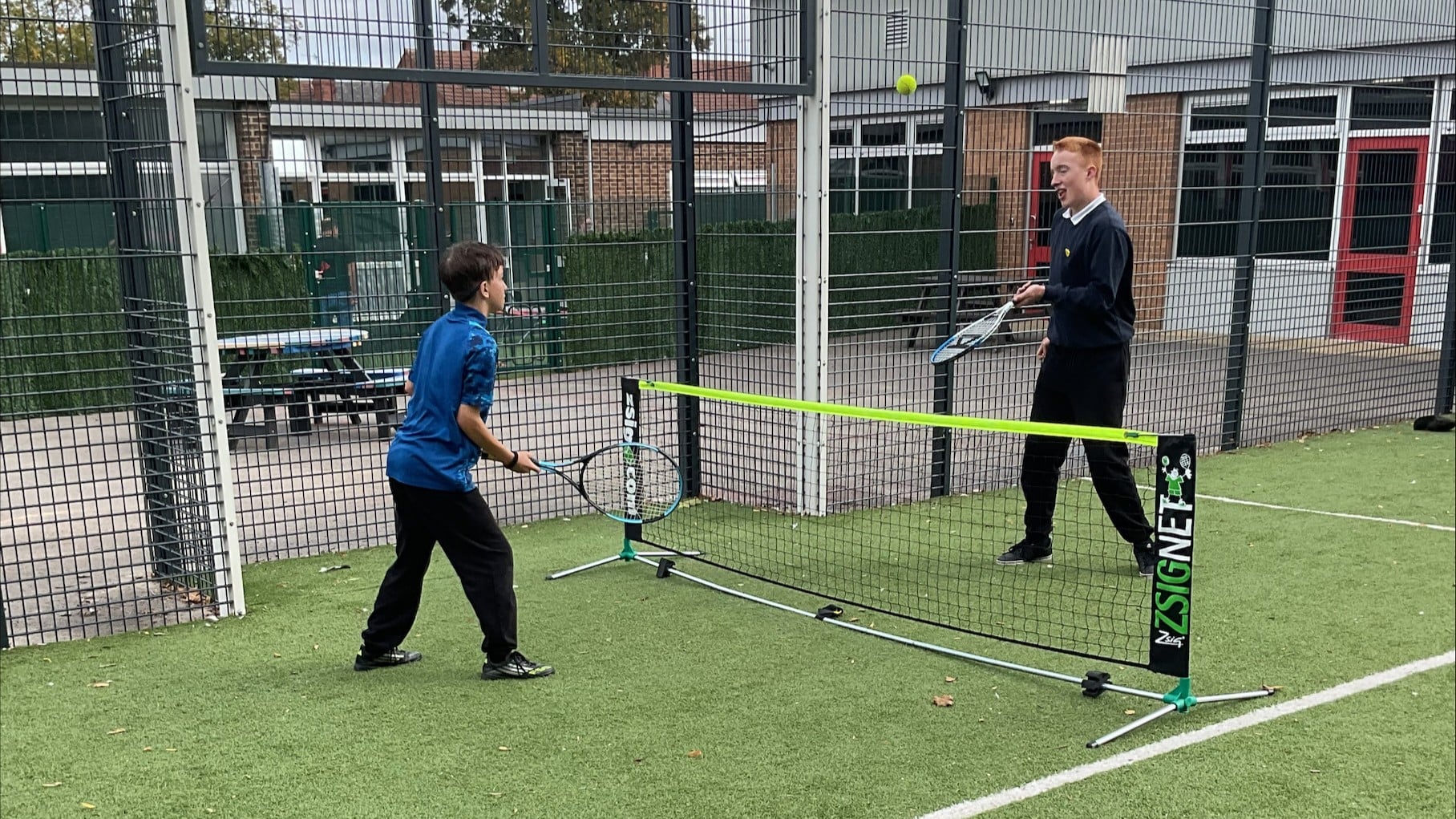
The introduction of tennis at Milton School has had a significant impact on pupils' confidence, behaviour, wellbeing and social development. For many pupils, tennis was a completely new experience, coming from a community where tennis is not widely played or promoted, many had never picked up a racket before.
Carl Ryde, class teacher at Milton School, said pupils were "really happy to have a racket in their hand hitting the ball for the first time" and quickly wanted to play more, leading to the creation of one of the school's most popular clubs.
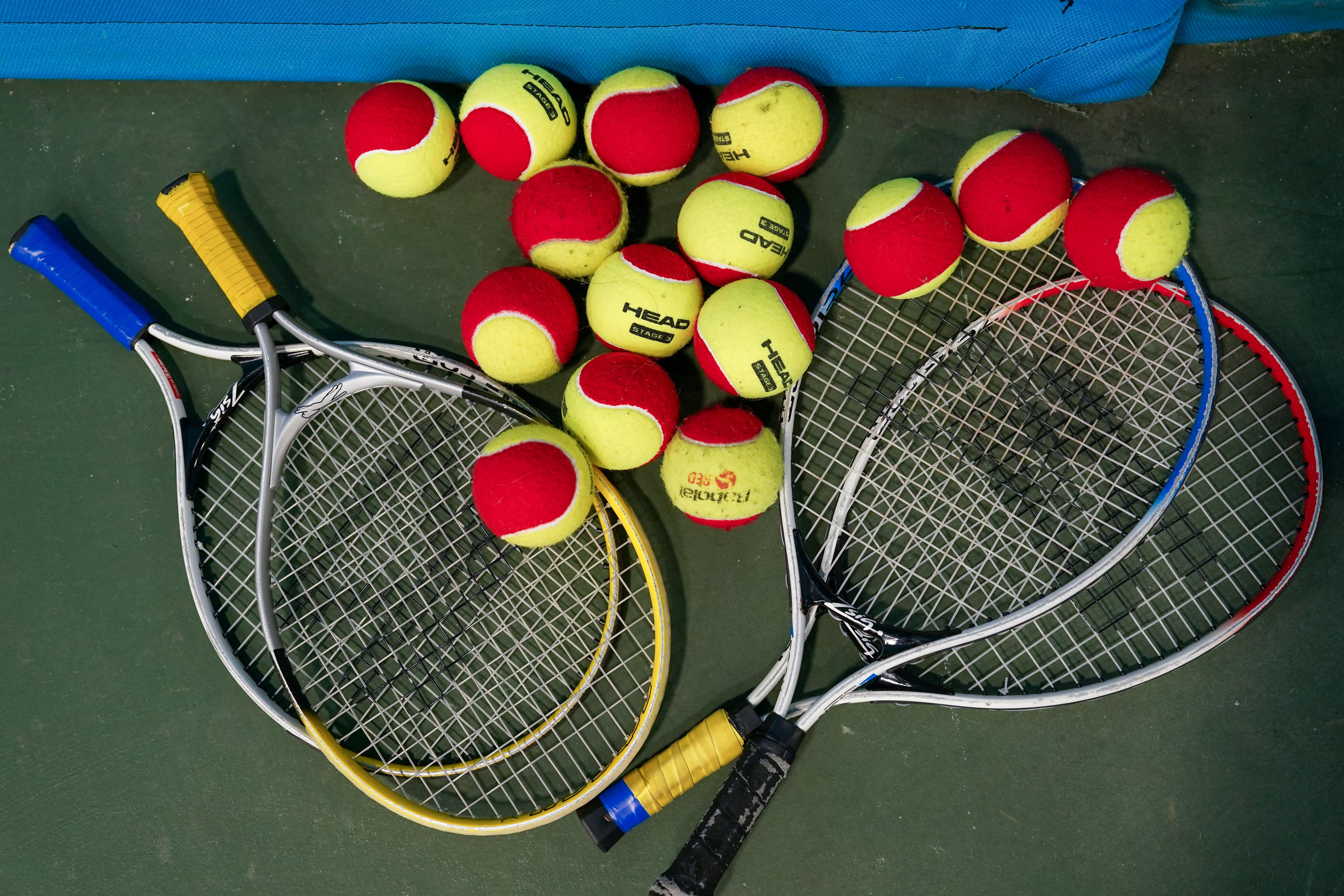
Carl has found tennis particularly effective for pupils with SEND because it can be adapted to meet a wide range of needs. Equipment and activities can be modified through the use of different balls, rackets and court sizes, ensuring all pupils can experience success regardless of their abilities. This flexibility has enabled those who often struggle in traditional sporting environments to participate and achieve.
This is something we are incredibly proud of, especially as many of our pupils have additional needs and some had not previously engaged confidently in regular physical activity.
Pupils who previously struggled with social interaction have started playing together, encouraging and celebrating each other's successes, which, in itself, has been one of the biggest impacts – the opportunity for pupils to experience success. Unlike some sports, where outcomes can feel difficult to achieve, tennis allowed pupils to recognise and celebrate small milestones.
For some pupils, simply making contact with the ball has been a major achievement. Carl shared the example of a pupil with visual difficulties who initially struggled to serve. With support, the pupil successfully hit the ball and then spent the next 20 minutes practising, proud of their accomplishment and eager to improve.
The programme has also supported classroom learning. Carl incorporated tennis into maths lessons through a "Tennis Maths" initiative, where pupils practised counting, multiplication and problem-solving through tennis games. For pupils who often disengage from traditional classroom activities, the approach increased motivation and participation.
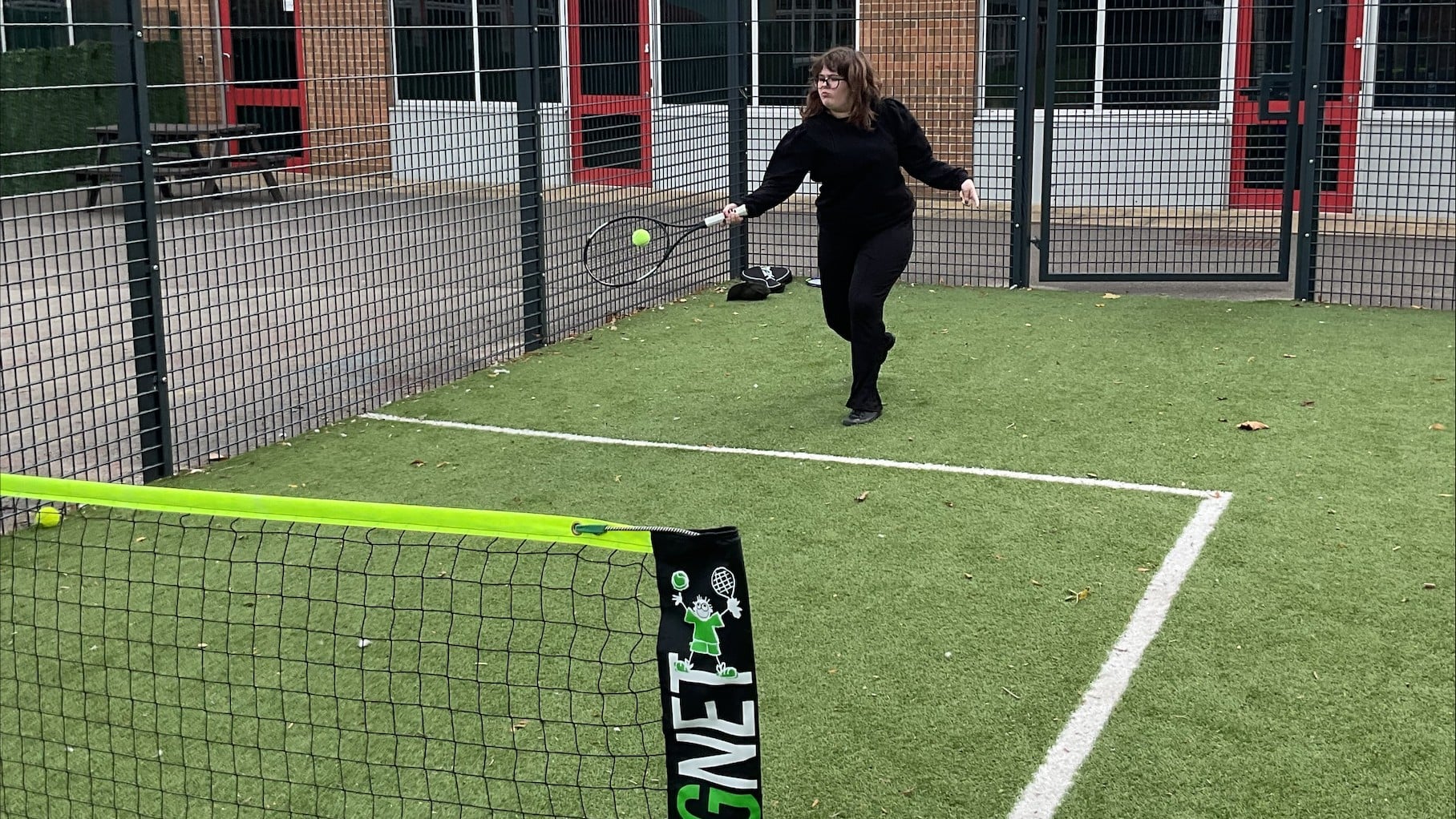
The impact has extended beyond school lessons. Some pupils have become so enthusiastic that they have gone out of their way to purchase their own rackets and tennis balls.
Carl highlighted one autistic pupil who had previously shown little interest in sport but is now passionate about tennis, to the extent that she follows the professional game, talking enthusiastically about emulating her favourite player, Aryna Sabalenka.
What began as a funded equipment purchase has grown into a sustainable tennis programme within the school. Tennis has become one of the most popular activities on offer, creating new opportunities for pupils who had never considered the sport before.
The impact of the programme has exceeded expectations. As Carl said, "This is something we are incredibly proud of, especially as many of our pupils have additional needs and some had not previously engaged confidently in regular physical activity."
FAGE LTA Youth Schools
Learn more about the FAGE LTA Youth Schools programme and how you can get involved.